
Fri: 1PM to 6PM, Sat: 10AM to 2PM
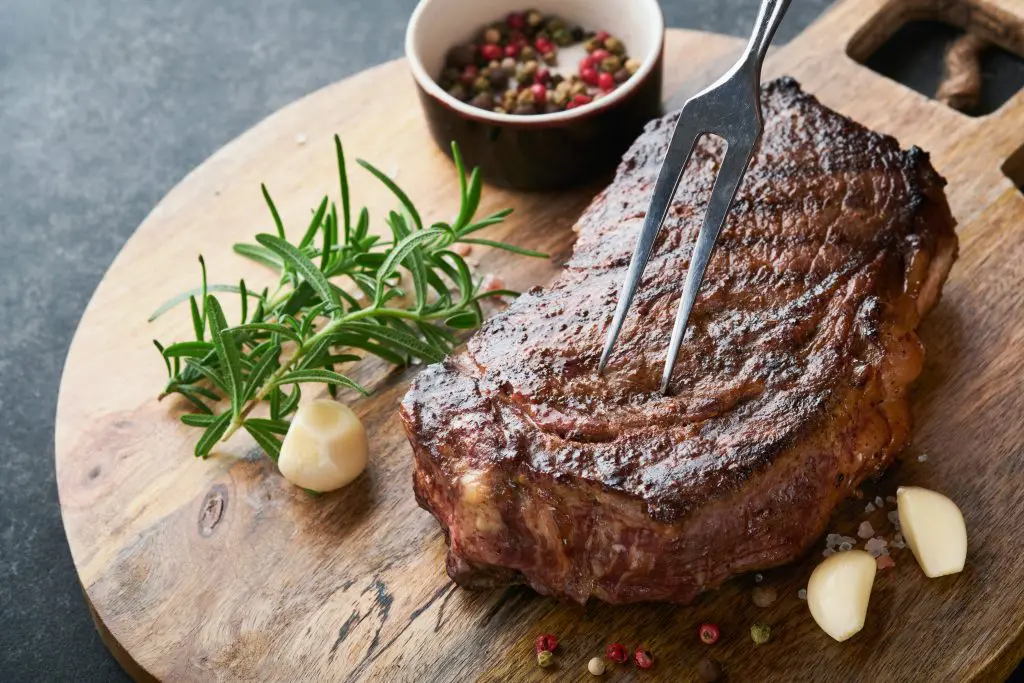
There’s nothing quite like biting into a steak that’s cooked just right. Juicy, tender, and seared to perfection. But getting that restaurant-quality result at home can feel tricky if you don’t know the basics. The good news is that learning how to cook steak well comes down to a few simple techniques anyone can master, whether you’re working with a ribeye, a filet mignon, or something in between.
Great steak starts before it ever touches the pan or grill. Pull your steak out of the fridge about 30 to 45 minutes before cooking. Letting it come closer to room temperature helps it cook more evenly.
Pat the steak dry with a paper towel. This step matters more than people think. A dry surface sears better and gives you that golden brown crust everyone loves. Season generously with salt and pepper on both sides. Simple seasoning lets the natural flavor of the meat shine through.
Temperature control is the heart of cooking a great steak. Here’s a quick guide to steak doneness:
A reliable meat thermometer takes the guesswork out of the process. Insert it into the thickest part of the steak for an accurate reading. Most home cooks find medium rare gives the best balance of flavor and tenderness, especially for cuts like ribeye.
Remember that your steak keeps cooking for a few minutes after you remove it from heat. This is called carryover cooking. Pull your steak off five degrees before your target temperature to land right where you want it.
Ribeye is prized for its marbling, those thin streaks of fat running through the meat. That fat is what makes ribeye so flavorful and forgiving to cook.
For the best results, use high heat. A cast iron skillet or a hot grill works well. Sear the steak for two to three minutes per side to build a deep crust. Then lower the heat slightly and continue cooking to your desired temperature. Let the fat render slowly so it bastes the meat as it cooks.
Filet mignon is one of the leanest cuts, which means it needs a slightly different approach. Since it has less fat than a ribeye, it can dry out quickly if overcooked.
Sear filet mignon in a hot pan with a bit of butter or oil for two to three minutes per side. Adding a sprig of rosemary or thyme and a smashed garlic clove to the pan gives extra flavor as you baste the steak with the melted butter. Because filet mignon is thick, finishing it in the oven at 400°F for a few minutes often helps it cook through evenly without burning the outside.
Resting is one of the most overlooked steps in cooking steak. After cooking, let your steak sit for five to ten minutes before slicing. This allows the juices to redistribute throughout the meat instead of spilling out onto the cutting board. Skipping this step often leads to a drier, less flavorful bite.
How long should you cook a steak on each side?
For a one-inch steak, sear each side for two to three minutes over high heat, then adjust based on your desired doneness. Thicker cuts may need a few extra minutes or a finish in the oven.
What is the best steak cut for beginners?
Ribeye is a great choice for beginners because its marbling makes it more forgiving. It stays juicy even if you cook it slightly longer than planned.
Should you season steak before or after cooking?
Season your steak before cooking, ideally right before it hits the heat. Salt draws out moisture, so seasoning too early can leave the surface damp, which affects how well it sears.
Now that you know the essentials of temperature, technique, and timing, all that’s left is choosing the right cut. Explore our selection of premium steak cuts to find the perfect ribeye, filet mignon, or new favorite for your next meal. Want to compare quality options first? Check out our guide on grass-fed vs grain-finished beef, or save on your next few meals with one of our curated meat bundles. At Leon County Meat, we’re here to help you bring steakhouse quality straight to your Austin kitchen.
Posted on July 13, 2026 | Published by Ignite Local | Related Local Business

Shop a trusted fresh meat market serving Bryan, College Station & Huntsville. Farm-raised beef, freezer programs & local pickup. Call to order now!
© Leon County Meat LLC
2026. All Rights Reserved.
This site uses cookies to enhance your browsing experience. By continuing to use this site, you consent to our use of cookies. For more information on how we use cookies and how you can control them, please read our privacy policy
Made In USA